
Design
The Importance of User-Centered Design
The Importance of User-Centered Design
Discover why prioritizing user-centered design leads to more effective and satisfying user experiences.
Discover why prioritizing user-centered design leads to more effective and satisfying user experiences.
Introduction
In today’s digital landscape, products succeed not just because of innovative features or striking visuals, but because they genuinely solve users’ problems and fit seamlessly into their lives. User-centered design (UCD) is an approach that puts the user’s needs, preferences, and behaviors at the heart of the design process, ensuring products are both useful and delightful to use.
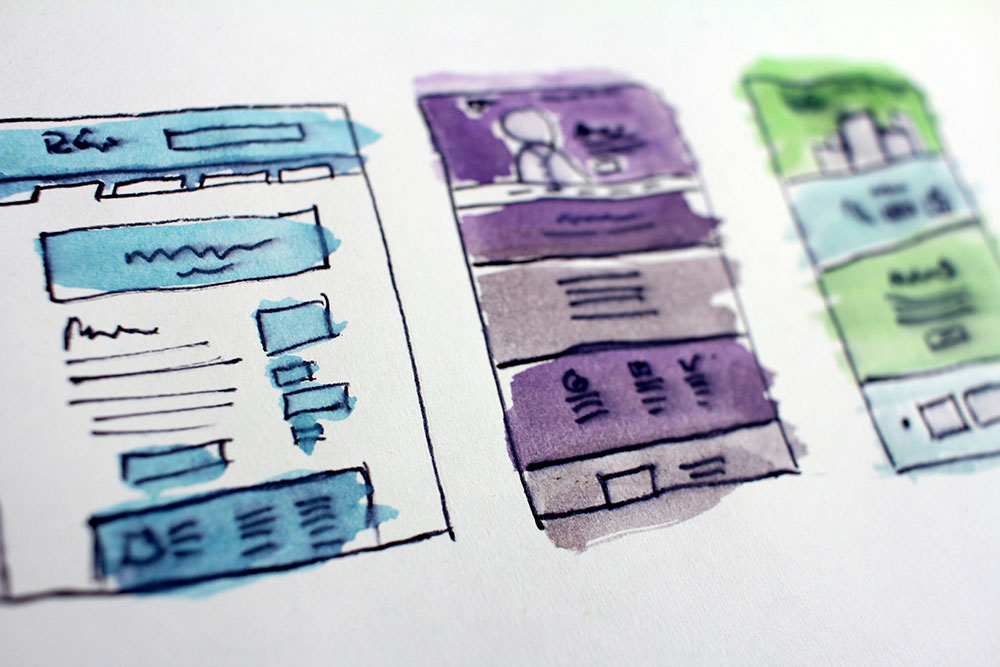
Principles and Process of User-Centered Design
User-centered design is built on several core principles:
Understand the context of use :
Know who your users are, what they need, and the environment in which they’ll use your product.Early and frequent user involvement :
Engage users at every stage, from initial research to final testing, to ensure their needs are being met.Iterative design :
Continuously test and refine your product based on user feedback, making improvements before launch.Empathy and ethical design :
Foster a deep understanding of users’ challenges and respect their privacy and well-being throughout the process.


Conclusion
User-centered design is essential for building products that truly resonate with users and succeed in the marketplace. By prioritizing user needs, involving them throughout the process, and iterating based on real feedback, businesses can create intuitive, effective, and competitive products that stand the test of time.
Latest Blogs

Dec 31, 2025
/
Marketing
Why most brands fail without brand thinking | Lézard & Balthazar
Dec 31, 2025
/
Marketing
Why most brands fail without brand thinking | Lézard & Balthazar
Dec 31, 2025
/
Marketing
Why most brands fail without brand thinking | Lézard & Balthazar

May 5, 2025
/
Marketing
Expanding a brand between europe and North Africa
May 5, 2025
/
Marketing
Expanding a brand between europe and North Africa
May 5, 2025
/
Marketing
Expanding a brand between europe and North Africa

May 5, 2025
/
Insights
The Role of Artificial Intelligence in Modern Digital Marketing
May 5, 2025
/
Insights
The Role of Artificial Intelligence in Modern Digital Marketing
May 5, 2025
/
Insights
The Role of Artificial Intelligence in Modern Digital Marketing
Stay Inspired
Fresh strategies, marketing content, and behind-the-scenes agency articles, delivered to your inbox.
Design
The Importance of User-Centered Design
The Importance of User-Centered Design
Discover why prioritizing user-centered design leads to more effective and satisfying user experiences.
Discover why prioritizing user-centered design leads to more effective and satisfying user experiences.
Introduction
In today’s digital landscape, products succeed not just because of innovative features or striking visuals, but because they genuinely solve users’ problems and fit seamlessly into their lives. User-centered design (UCD) is an approach that puts the user’s needs, preferences, and behaviors at the heart of the design process, ensuring products are both useful and delightful to use.
Principles and Process of User-Centered Design
User-centered design is built on several core principles:
Understand the context of use :
Know who your users are, what they need, and the environment in which they’ll use your product.Early and frequent user involvement :
Engage users at every stage, from initial research to final testing, to ensure their needs are being met.Iterative design :
Continuously test and refine your product based on user feedback, making improvements before launch.Empathy and ethical design :
Foster a deep understanding of users’ challenges and respect their privacy and well-being throughout the process.
Conclusion
User-centered design is essential for building products that truly resonate with users and succeed in the marketplace. By prioritizing user needs, involving them throughout the process, and iterating based on real feedback, businesses can create intuitive, effective, and competitive products that stand the test of time.
Latest Blogs
Dec 31, 2025
/
Marketing
Why most brands fail without brand thinking | Lézard & Balthazar
Dec 31, 2025
/
Marketing
Why most brands fail without brand thinking | Lézard & Balthazar
Dec 31, 2025
/
Marketing
Why most brands fail without brand thinking | Lézard & Balthazar
May 5, 2025
/
Marketing
Expanding a brand between europe and North Africa
May 5, 2025
/
Marketing
Expanding a brand between europe and North Africa
May 5, 2025
/
Marketing
Expanding a brand between europe and North Africa
May 5, 2025
/
Insights
The Role of Artificial Intelligence in Modern Digital Marketing
May 5, 2025
/
Insights
The Role of Artificial Intelligence in Modern Digital Marketing
May 5, 2025
/
Insights
The Role of Artificial Intelligence in Modern Digital Marketing
Stay Inspired
Fresh strategies, marketing content, and behind-the-scenes agency articles, delivered to your inbox.
Design
The Importance of User-Centered Design
The Importance of User-Centered Design
Discover why prioritizing user-centered design leads to more effective and satisfying user experiences.
Discover why prioritizing user-centered design leads to more effective and satisfying user experiences.
Introduction
In today’s digital landscape, products succeed not just because of innovative features or striking visuals, but because they genuinely solve users’ problems and fit seamlessly into their lives. User-centered design (UCD) is an approach that puts the user’s needs, preferences, and behaviors at the heart of the design process, ensuring products are both useful and delightful to use.
Principles and Process of User-Centered Design
User-centered design is built on several core principles:
Understand the context of use :
Know who your users are, what they need, and the environment in which they’ll use your product.Early and frequent user involvement :
Engage users at every stage, from initial research to final testing, to ensure their needs are being met.Iterative design :
Continuously test and refine your product based on user feedback, making improvements before launch.Empathy and ethical design :
Foster a deep understanding of users’ challenges and respect their privacy and well-being throughout the process.
Conclusion
User-centered design is essential for building products that truly resonate with users and succeed in the marketplace. By prioritizing user needs, involving them throughout the process, and iterating based on real feedback, businesses can create intuitive, effective, and competitive products that stand the test of time.
Latest Blogs
Dec 31, 2025
/
Marketing
Why most brands fail without brand thinking | Lézard & Balthazar
Dec 31, 2025
/
Marketing
Why most brands fail without brand thinking | Lézard & Balthazar
Dec 31, 2025
/
Marketing
Why most brands fail without brand thinking | Lézard & Balthazar
May 5, 2025
/
Marketing
Expanding a brand between europe and North Africa
May 5, 2025
/
Marketing
Expanding a brand between europe and North Africa
May 5, 2025
/
Marketing
Expanding a brand between europe and North Africa
May 5, 2025
/
Insights
The Role of Artificial Intelligence in Modern Digital Marketing
May 5, 2025
/
Insights
The Role of Artificial Intelligence in Modern Digital Marketing
May 5, 2025
/
Insights
The Role of Artificial Intelligence in Modern Digital Marketing
Stay Inspired
Fresh strategies, marketing content, and behind-the-scenes agency articles, delivered to your inbox.